
In recent years, the application of the Water-Energy-Food-Ecosystem (WEFE) Nexus approach, which aims at sustainable development, natural resource management and mitigation and adaptation measures for a low-carbon economy, has increased significantly (Huelsmann and Jampani, 2021)
Resources such as water, energy, and food are interrelated.
In today’s world, it is crucial to study the impact of sectoral productions at regional, national, and global levels, using innovative tools and methods such as Artificial Intelligence approaches, especially taking into account the effects of climate change, to ensure future sustainability.
Singapore is a tropical island in the southern part of the Malay Peninsula in Southeast Asia. Singapore is a city, a country, and a state.
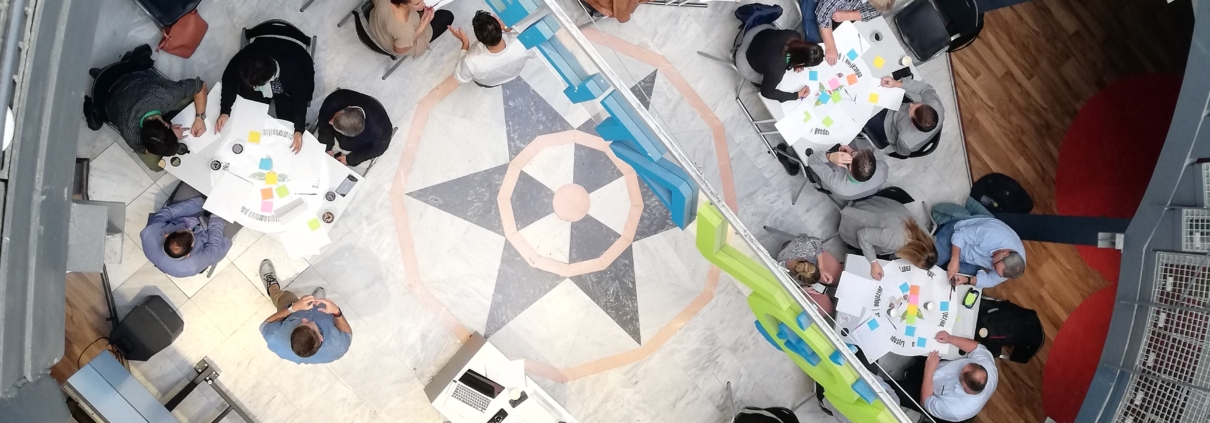
Dresden, located in the heart of Europe, may not be the first place that comes to mind when you think of pioneering sustainability initiatives.
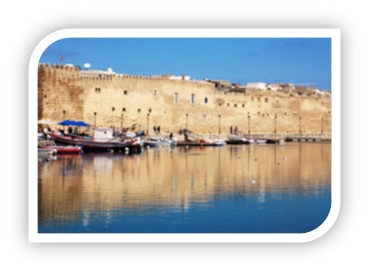
Welcome to the picturesque shores of Bizerte, one of the most attractive towns in northern Tunisia. In this blog post, we embark on a journey to unravel the pollution challenge that threatens the historic old port of Bizerte.
The world is facing an increasing demand for resources caused by global population growth and changing consumption patterns. The Water-Energy-Food (WEF) NEXUS has emerged as a central approach to integrated resource management and security.
Lisbon, Portugal, is a beautiful city with a rich cultural heritage and a thriving tourist industry. But like many cities worldwide, Lisbon faces major challenges related to the “water, energy, and food “nexus.”
The tenth NEXUSNET blog “Wastewater Reclamation and Reuse in Sub Saharan Africa Countries: Challenges and Opportunities in Nigeria” is now published by Bamgboye Taiwo Temitope, Doctoral Researcher at the Water, Energy and Environmental Engineering, University of Oulu, Finland.
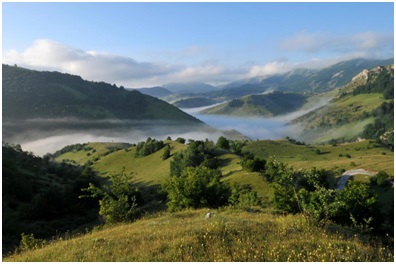
The Western Balkan region, also known as the Balkans, encompasses several Southeast European countries, including Albania, Bosnia and Herzegovina, Croatia, Kosovo, Montenegro, North Macedonia, and Serbia
Climate change is a critical challenge of modern society, affecting the natural and built environment on an unprecedented scale. Greenhouse gas (GHG) emissions, deforestation, overuse of fertilizers, and increasing urbanization are the main causes of global warming (Lamb et al., 2021) and the major factors contributing to changing weather patterns over extended periods.


2023
2023
2023
2023
2023
2023